Instagram Voting Bot: Why Story Poll and Reels Scripts Fail in 2026
An Instagram voting bot trips device-graph, rate limits, and behavioural checks fast. Here's why Story poll and Reels bots fail and the human-vote fix.
By BuyVotesContest Editorial Team · Published · Updated
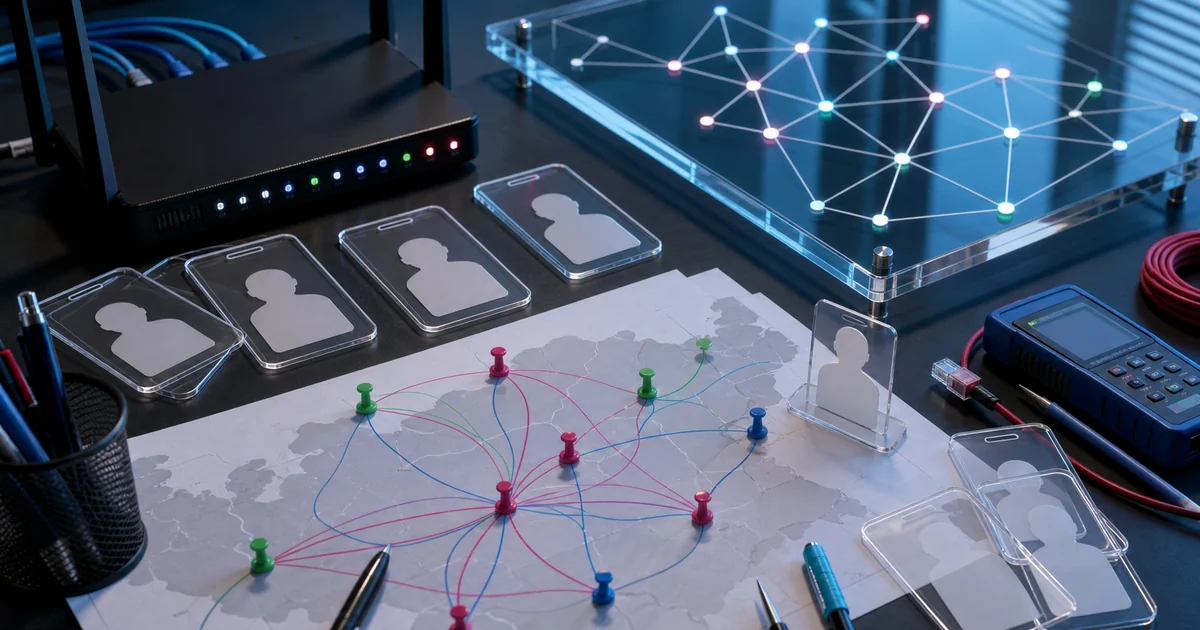
An Instagram voting bot is a script that automates Story-poll taps, Reels engagement, or contest entries from fake or hijacked IG accounts. In 2026 it fails fast: Meta layers device-graph fingerprinting, rate limits, account-age scoring, and behavioural detection, so a fresh-account bot is flagged before its taps count. Real aged-account human votes survive because each signal is genuinely human.
TL;DR: Why an Instagram bot dies and a real vote doesn’t
An Instagram voting bot fires Story-poll taps, Reels engagement, or contest entries from fake accounts. In 2026 it fails fast: Meta layers device-graph fingerprinting, rate limits, account-age scoring, and behavioural detection, so fresh-account scripts get flagged before the count holds. Only human sessions on aged accounts and distinct devices survive.
A creator running a “vote for my design” Story poll watches a rival pull ahead, finds a panel selling an instagram story poll bot, buys a few hundred taps, sees the tally jump in their insights, and a day later finds it back where it was with the boost gone and a temporary action-block on the promoted account. That is the typical lifecycle. The script worked exactly as written; Meta simply de-duplicated the coordinated cluster and voided it.
This piece walks Instagram’s real detection model, explains why the public scripts fail against the device-graph and rate limits, maps the Story-poll-sticker mechanic that most IG voting actually runs through, and lays out the aged-account alternative that holds up.
What IG poll and Reels scripts actually are
An IG vote script is one of two things: a free GitHub tool driving a phone or emulator from fake accounts, or a paid panel reselling that automation behind a dashboard. Both wrap an action loop around a proxy list and throwaway logins. Neither maintains the aged accounts on distinct devices Meta's trust scoring demands.
The free tier lives on GitHub and YouTube. Search instagram auto voter, instagram poll bot, or instagram reels vote bot and you find loops built on Appium device automation, Selenium browser drivers, or reverse-engineered private-API calls. The pattern is always similar: log in a throwaway account, open the target Story or Reel, tap the poll option or like, rotate to the next account and proxy, repeat. Some bolt on a CAPTCHA-solving key. The sophistication ceiling is low because the people writing them are creators, not anti-fraud engineers.
The paid tier is the same machinery rented out. SMM panels and Fiverr gigs advertise “instagram vote bot” support, but most run recycled account batches shared across their Facebook and Twitter services, with no Instagram-specific tuning. They quote a low headline price, deliver an insights spike that looks right for an hour, and rely on the buyer not checking again after batch detection prunes the actions.
What neither tier is: a roster of real people on aged accounts, each on its own real device. That distinction is the whole story, because Meta’s defences are built precisely to tell a fresh fake account apart from a real participant, and they do it at several independent checkpoints.
How Instagram detects bots: the multi-layer model
Meta stacks four overlapping defences: device-graph fingerprinting, account-age and follower-graph scoring, rate limits, and behavioural detection. A bot must clear every layer at once; failing any one voids the action. The device-graph is decisive: it ties a whole account farm together even behind clean IPs.
The platform judges actions by who casts them and on what device, not by where the request came from. The table below maps each defence to its mechanism and to the specific thing that defeats a bot trying to pass it.
| Instagram defence | How it works | What actually defeats it (and why bots can't) |
|---|---|---|
| Device-graph fingerprinting | Links accounts sharing a phone, emulator image, or browser signature into one operator cluster, regardless of proxy. | A distinct real device per voter. 200 logins on a few emulators = one cluster, not 200 voters. Clean IPs don't break the device tie. |
| Account-age + follower-graph scoring | Brand-new accounts with no history or followers carry near-zero trust weight; actions are discounted or voided. | An aged account with a real graph per voter. A hundred fresh accounts cluster as one low-trust pattern. Real graphs take years. |
| Rate limits | Rolling action ceiling per account; tightens when traffic looks automated, then trips an anomaly flag and action-block. | Genuinely distributed real sessions. A loop pushing for volume hits the wall; pacing under it runs too slow for contest scale. |
| Behavioural detection | Scores tap timing, dwell, and navigation flow for automation signatures before the action registers. | A real person acting at human cadence. Scripted timing and a too-direct path to the tap read as automation regardless of the IP. |
The compounding effect is what kills bots. An account that is young, follower-less, running on a shared emulator, and tapping on a scripted timeline fails four checks at once, and patching one — say, plugging in a residential proxy — just exposes the device-graph underneath. This is the same multi-signal logic we documented for the broader landscape in auto-voting bots vs human votes; Instagram is simply a concrete instance, with the device-graph as its sharpest edge.
The Story-poll-sticker mechanic and why it resists inflation
An Instagram Story poll sticker records one tap per account that views the Story, tallied privately in the creator's insights. There is no public counter and no way to tap twice from one account, so inflating it means tapping from many distinct accounts, precisely where Meta's age, device-graph, and behavioural checks catch a bot.
This mechanic matters because it shapes what the searches actually want. When someone looks up how to bot instagram poll, the poll is usually a Story sticker or a quiz sticker, not a public ballot. To move it, a bot has to make each fake account view the Story first, then tap — a two-step flow that doubles the footprint Meta gets to inspect, because both the view and the tap carry device and behavioural signals.
That doubled footprint is brutal for a script. Hundreds of fresh accounts loading the same Story in a burst, from a handful of emulators, then all tapping the same option within seconds, is one of the cleanest manipulation patterns a detection system can ask for. There is no proxy that hides it, because the device-graph ties the accounts together and the timing betrays the automation. Reels and hashtag-entry contests add a contest platform on top, stacking a second de-duplication layer over Meta’s, which is why the same bot that “works” on a private friend’s poll collapses on anything seriously contested.
So an “instagram story poll bot” in 2026 is fighting the one-tap-per-account design, the device-graph, and behavioural scoring all at once. Beating any single one does nothing if the others still see a fresh account on a shared phone tapping on a robot’s schedule.
Why the GitHub Instagram-bot scripts fail in practice
The repos people find are mostly broken for three reasons: they hit a private API Meta rotates and hardens constantly, they drive fresh accounts the follower-graph layer discounts, and they run on shared emulators the device-graph clusters. A green "last updated 2021" badge is a tell that anti-fraud moved past it.
Open a typical result and read the commit history. The newest meaningful change is usually two to five years old. The README promises “auto-vote any poll” against private endpoints Meta has since changed, and the issues tab fills with comments reading “account action-blocked instantly” and “API broke again” with no maintainer reply. These are not maintained tools; they are artefacts that broke the next time Instagram rotated its private API.
Even a repo updated against the current private API hits the same wall: it has no roster of aged accounts, so follower-graph scoring discounts it; it runs a few emulators, so the device-graph clusters it; and it pushes actions faster than the rate limit allows, so it trips an anomaly flag and action-block. Patching one gap exposes the next. The work to make a script genuinely pass is the work of building anti-fraud-grade infrastructure, at which point it is no longer a weekend project.
Skip the dead-script rabbit hole — see real Instagram Story-poll vote pricing, backed by a replacement guarantee. →
DIY bot vs aged-account Instagram votes: cost and risk
A free GitHub bot costs nothing in dollars and almost everything in result: it dies inside the first batch against a real campaign and risks bundled malware or an action-blocked account. An aged-account service costs money but lands surviving taps that pass the device-graph, age, rate-limit, and behavioural layers.
The real comparison is not headline price against headline price; it is surviving taps against surviving taps. A bot that fires 300 taps and lands a dozen counted ones before de-duplication stops it has an effective cost per survivor that the “free” label hides. Worse, a flagged cluster can get the whole contest entry disqualified and the promoted account action-blocked — collateral damage no script warns about.
The aged-account route inverts every term. Taps arrive from genuinely independent accounts, each years old with its own real history and follower graph, on distinct real devices and clean consumer-ISP connections — the unique residential IPs the fingerprint layer needs. Each person votes the way a real follower would, viewing the Story naturally and tapping at human cadence, so the behavioural layer sees nothing scripted, and the device-graph finds no shared hardware. Pacing matches Instagram’s natural growth curve, so even an urgent sub-two-hour delivery shows no detectable burst. The infrastructure is the same residential IP vote stack and CAPTCHA-protected vote service we run across platforms, applied to Instagram’s specific layers. For multi-option community polls beyond Instagram, the same logic carries to our general poll vote service, and the trust framework behind all of it sits in the pillar guide to Instagram votes.
There is one scenario where a bot still technically functions: a tiny private Story poll among friends with no real rival and no contest platform. Those exist, but a poll that small is also one nobody is seriously contesting — the taps don’t matter because the poll doesn’t. For any campaign worth winning, the device-graph and behavioural layers are exactly what a script can’t beat.
Common questions about IG poll and Reels scripts
The questions below cover the practical edges: how the Story-poll sticker records a tap, whether proxies or solvers rescue a script, what the device-graph changes, and how many votes a real win takes. Each answer reconciles with the multi-layer model above; no method beating one layer rescues an action that fails another.
The single thread running through every answer is that Instagram judges actions by account trust and device, not by where the request originates. A bot that perfects its IPs and solves every challenge still presents young, follower-less accounts on shared hardware tapping in a coordinated burst, which is exactly what detection is built to strip. The FAQ schema for this section maps to the visible questions verbatim.
Last updated · Verified by Victor Williams
For the full evaluation framework — what to ask any Instagram vote provider, how to verify retention, and what a real replacement guarantee looks like — start with our Instagram Story-poll votes service page and the pillar guide to buying votes online. If your campaign runs as a Story poll or Reels contest, the auto-voting bots vs human votes breakdown explains exactly what your bot was failing.
Frequently Asked Questions
What is an Instagram voting bot and does it still work in 2026?
An Instagram voting bot is an automated script that submits Story-poll taps, Reels engagement, or contest entries on Instagram without a real person — usually an Appium, Selenium, or private-API loop driving fake or hijacked accounts behind a proxy list. It still fires actions, but it rarely produces surviving results. Meta scores device-graph, account age, and behavioural signals before an action counts, rate limits throttle the loop, and contest campaigns add their own de-duplication. Most fresh-account bots are flagged inside the first batch.
How do Instagram Story poll stickers actually record a vote?
An Instagram Story poll sticker records one tap per account that views the Story, and the result is a simple tally the creator sees in their Story insights. There is no public vote count and no way to tap twice from one account, so inflating it means viewing the Story and tapping from many distinct accounts. That is exactly where a bot tries to operate — and exactly where Meta's account-age, device-graph, and behavioural checks catch it, because hundreds of fresh accounts tapping in a burst from shared devices is an obvious manipulation cluster.
How does Instagram detect voting and contest bots?
Meta runs several independent layers. Device-graph fingerprinting clusters accounts that share a phone, emulator, or IP, which datacenter and known-VPN ranges make worse. Account-age and follower-graph scoring discounts brand-new accounts with no real activity. Rate limits throttle rapid scripted actions and trip an anomaly flag. Behavioural detection scores tap timing and navigation for automation. A bot must beat every layer at once; failing any one voids the action, often silently, so the buyer sees engagement that quietly disappears.
Why don't fresh Instagram accounts work for a voting bot?
Instagram weights trust by account age, posting history, and follower graph, and a brand-new account with none of those carries almost no weight. A bot that spins up a hundred fresh accounts to tap a poll or enter a contest produces a hundred low-trust actions that also share device and IP fingerprints — a coordinated cluster that is exactly what manipulation detection hunts for. The actions are discounted or voided, and the accounts are frequently disabled or action-blocked. A real account graph cannot be scripted overnight, which is the resource bots lack.
Can proxies and CAPTCHA solvers make an Instagram bot undetectable?
No. A clean residential IP defeats one signal and a solver clears one gate, but Meta's detection works on the device-graph and behaviour across accounts, not on a single session. A bot can route every account through a pristine IP and still get caught because the accounts run on the same phone or emulator, are young and friend-less, and act in coordinated bursts with scripted timing. Detection looks at the device relationship and pattern across actions, which is precisely what a coordinated bot cannot disguise.
What is Instagram's device-graph and how does it stop bots?
Meta builds a device-graph that links accounts sharing hardware and software fingerprints — the same phone, the same emulator image, the same browser signature. When many accounts that share a device all tap the same poll or enter the same contest, the graph exposes them as one operator wearing many hats. This is the layer that defeats the classic bot farm running hundreds of logins on a few emulators: clean IPs do nothing, because the device fingerprint underneath ties the whole cluster together regardless of which proxy each session used.
Can you bot an Instagram contest run through Reels or a hashtag entry?
Not reliably. Reels and hashtag contests require a real account to follow, like, comment, or post with a tag, and brands usually run them through a contest platform that de-duplicates entries and verifies accounts. A bot has to satisfy the contest tool's checks and Instagram's account-trust and device-graph checks at the same time, with a distinct aged account on a distinct device behind every entry. Manufacturing that at scale is anti-fraud-grade infrastructure, not a downloaded script, which is why public Reels and hashtag bots produce entries that get pruned.
How long do bot taps survive on an Instagram poll or contest before removal?
Usually not long. Real-time scoring catches a portion of coordinated actions at the moment they are cast, and a batch review pass prunes suspicious clusters on a rolling cadence afterward. A buyer who screenshots engagement an hour after delivery often finds it partly or fully gone a day later, with no notification. Worse, a flagged cluster can taint the whole entry, so a contest organiser may disqualify the account being promoted — a cost the bot never warned about.
Why do Instagram bot panels and Fiverr gigs still exist if they get caught?
They survive on shallow measurement. A panel delivers engagement that looks right for a few hours, the buyer marks the order complete, and by the time Meta voids the actions and action-blocks the accounts the transaction is long over. Panels recycle disposable account batches across their Facebook and Twitter services with no Instagram-specific tuning, accept that any delivery has a short life, and rebrand when a name gets a bad reputation. The model depends on buyers checking at delivery and rarely returning days later.
What is the difference between an Instagram bot and aged-account human votes?
A bot uses automation with fresh or hijacked accounts on shared devices — the actions are scripted, low-trust, and clustered, exactly what detection flags. Aged-account human votes come from genuine accounts with real history and follower graphs, on distinct devices, operated by real people who browse and tap as part of ordinary use. From Meta's view the difference is total: the aged-account action carries full trust weight and fits the organic pattern, while the bot action is weightless and anomalous. That is why one survives and one is stripped.
Will buying Instagram votes get my own account banned?
If the engagement comes from a bot, there is real risk: detection can link the coordinated cluster to the account or contest entry it boosted and flag it for manipulation, which can cost the promotion and trigger action-blocks. If it comes from genuinely independent aged real accounts that produce no cluster, the risk is far lower because there is no detectable link or coordinated pattern to act on. The method matters more than the act — a clumsy bot endangers the very account you wanted to lift, while distributed real taps do not.
Are Instagram Story-poll votes safer to buy than to bot?
For commercial, brand, and entertainment campaigns it is both safer and more effective. A bot delivery that trips the device-graph, rate limits, or behavioural scoring can get the whole entry voided and accounts action-blocked. A residential-IP aged-account delivery produces no detection signal, so there is no collateral risk and the taps persist. We never accept political, government, academic, shareholder, or regulated votes — for those, no automated or paid voting is appropriate regardless of method.
How many Instagram votes do I usually need to win a contest?
It splits by format. A Story-poll sticker is a private, fast-moving tally, so a small-creator or local poll often turns on a few hundred taps — anywhere from roughly 200 to 900 — because Stories expire in 24 hours and the audience is your follower base, not the public. A Reels or hashtag contest run through a brand's entry platform is a different scale: those can run from a few thousand entries up to the tens of thousands when an influencer audience is involved. Rather than chasing a fixed number, read the live signal — for a Story poll, watch how the lead is moving in your insights and stay a clear step ahead before it expires; for a platform contest, track the visible entry leader and pad for the late surge that hits as the deadline nears.

Victor Williams
Founder, Buyvotescontest.com · 7+ years building contest-vote infrastructure
Victor founded Buyvotescontest in 2018 and has personally overseen 10,000+ campaigns across Facebook, Instagram, X, Telegram, and email-verified contests. Read his full story →
Last updated · Verified by Victor Williams