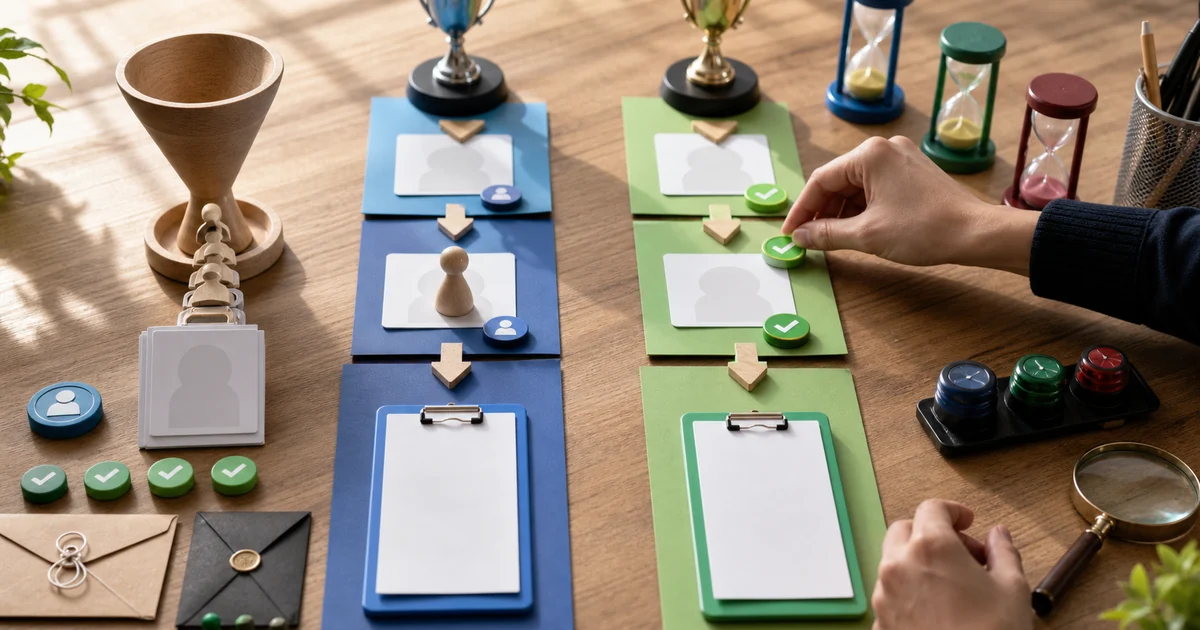
How to Get Votes for a Photo Contest: Win Baby, Pet & Brand Contests (2026)
How to get votes for a photo contest in 2026: Woobox and Wishpond mechanics, daily-cap pacing, the share-worthy shot, and family mobilization for baby and pet entries.
By Victor Williams · Published · Updated
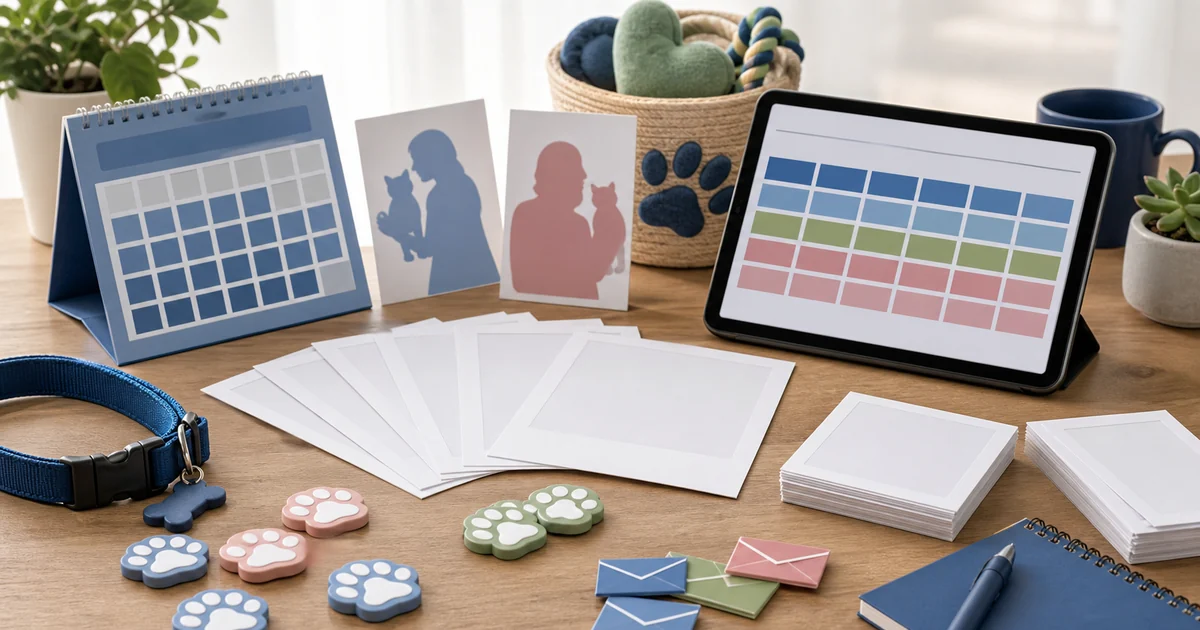
Getting votes for a photo contest is a five-step process: read the contest engine's mechanic (Woobox, Wishpond, or Gleam each cap and de-duplicate votes differently), upload a share-worthy image that earns organic clicks, mobilize family and friend networks with a one-tap voting link, pace votes daily against any per-IP-per-day cap, and reserve a final-48-hour push to close the gap. Photo contests reward image quality plus consistency, not single-day bursts.
The 5-step workflow
-
Read the contest engine's voting mechanic first
Before you ask anyone to vote, open the contest and identify the engine — Woobox, Wishpond, Gleam, or a custom WordPress poll. Each one de-duplicates votes differently. Woobox typically allows one vote per person per 24 hours and screens by IP plus browser fingerprint. Wishpond often requires an email registration per vote. Gleam awards entries for share and follow actions, not just a single click. Knowing the cap dictates whether you need a daily reminder cadence or a one-time mobilization burst.
-
Upload a share-worthy image that earns organic clicks
The image is your conversion engine. A sharp, well-lit, emotionally legible photo earns votes from strangers who scroll the gallery; a dim, cluttered, or low-resolution shot forces you to win on outreach volume alone. For baby and pet entries, a clean background and direct eye-contact framing outperform busy scenes. For nature and travel, a single strong focal point beats a wide, detail-heavy landscape on small phone screens. Crop tight, brighten the subject, and confirm the thumbnail still reads at gallery size.
-
Mobilize your network with a one-tap voting link
Send the direct vote URL — not the contest homepage — to your closest contacts first. A personal WhatsApp or SMS ask converts at 60-80% versus 2-5% for a public post. For baby and pet contests, lean on family group chats, where the emotional pull is strongest and people actually return daily. Write the message so the recipient knows exactly which entry to vote for and that the vote takes ten seconds. Pin the link in any group you run.
-
Pace votes daily against the per-day cap
If the contest caps voting at one per person per day, a single burst wastes your supporters' future votes. Instead, send a short reminder at the two peak windows — roughly 12-2 PM (lunch) and 7-10 PM (evening) in your audience's main time zone — and rotate which platform you ask on each day to avoid fatigue. Track who voted which days in a simple spreadsheet so you can re-engage anyone who lapses before the gap widens.
-
Run a final-48-hour push to close the gap
Most close photo contests are decided in the last two days, when trailing entrants mobilize. Reserve 25-30% of your total outreach for this window. Send a morning, midday, and evening reminder on the final day, state the exact closing time, and run parallel asks across every channel at once. If you are using paced paid votes to close a measured gap, schedule delivery to finish at least four hours before the deadline so any platform vote-scrubbing resolves before counting stops.
Estimated planning time: P10D. Typical budget: $0 USD.
TL;DR: How photo-contest voting actually works
Photo contests are the largest amateur-vote vertical: baby, pet, nature, travel, and brand galleries on Woobox, Wishpond, and Gleam. Winning is a five-step process. Read the engine's vote cap, upload a share-worthy image, mobilize family and friends with a direct link, pace votes daily, and reserve a final-48-hour push. Quality and consistency beat single-day bursts.
A parent in Mumbai sat 800 votes behind the leader in a “Cutest Baby” gallery with twelve days left, certain the race was lost. It was not. The contest capped voting at one per person per day, so the gap was not a wall — it was twelve daily windows, and a leader who had front-loaded a single burst had no daily engine left to grow. That structural detail, not effort, decides most photo contests.
This guide walks the platform mechanics first, then the image, then the network plays that differ sharply between a baby photo and a landscape, and finally the honest point where paid votes close a measured gap.
How photo contests actually work (Woobox, Wishpond, Gleam)
Photo contests run on three dominant engines plus custom WordPress polls, and each de-duplicates votes differently. Woobox caps at one vote per 24 hours, screened by IP and fingerprint. Wishpond gates each vote behind email registration. Gleam awards points for share and follow actions, not a single click. Identify the engine before planning outreach.
Most brand-sponsored photo contests in 2026 are not hand-coded. They sit on a recognizable SaaS engine the organizer’s agency picked for its email integration, and the engine, not the brand, controls the voting rules. Woobox powers many Facebook-tab “cutest pet” and calendar competitions; Wishpond is common for email-gated brand galleries; Gleam dominates the “earn entries by sharing” giveaway-style promo.
The structural divide matters. A gallery contest shows every entry and lets voters pick freely, which rewards a thumbnail that stands out at small size. A bracket contest pits two entries head-to-head per round, rewarding survival through each elimination rather than a high lifetime total. You win a gallery on cumulative votes; you win a bracket one matchup at a time, and a single lost round ends your run regardless of total support.
Daily vote caps are the most misread mechanic. When a contest allows one vote per person per day, the day-three leaderboard is not a final score. It is a snapshot of who mobilized first. Engines like Woobox enforce the cap with the same IP and fingerprint screening described in our breakdown of auto-voting bots vs human votes, which is why crude vote-padding fails and steady daily participation succeeds. For the full evaluation framework on any vote source, the pillar guide on buying votes online covers what to verify before you commit.
| Platform / engine | Vote mechanic | Typical daily cap | Best-fit tactic | Share-virality lever |
|---|---|---|---|---|
| Woobox | One click per person, IP + fingerprint screened | 1 per 24 hours | Daily reminder cadence to your network | Facebook-tab native share button |
| Wishpond | Email registration required per vote | Often 1 total per email | One-time mobilization burst, verified inboxes | Post-vote share prompt + referral credit |
| Gleam | Points per action (vote, share, follow) | Varies by action type | Stack share + follow actions for max entries | Bonus entries for each referred voter |
| Custom WordPress poll | IP-only or cookie de-duplication | 1 per IP (sometimes per day) | Geo-matched outreach, check for hCaptcha | Open-graph image on direct link share |
Baby & pet photo contests: emotional mobilization
Baby and pet contests are won inside family and friend networks, where emotional investment is highest and people genuinely return daily. The play is a direct, personal ask over WhatsApp, SMS, or a family group chat. Personal asks convert at 60-80% versus 2-5% for public posts, and family voters return every day a cap resets.
A pet owner in Manchester entered a golden retriever in a UK-wide cutest-dog calendar competition and treated it as a social-media problem, posting once to her public feed and waiting. Nothing moved. The reset came when she switched to direct asks: a message to the family WhatsApp group naming exactly which entry to tap, a note to three close friends who each ran their own group chats, and a daily 8 PM reminder pinned where relatives would see it. Each ask was personal, not broadcast. Votes arrived in a steady daily curve instead of a dead public post.
The etiquette of “vote for my baby” matters more than people admit, because over-asking burns the network you depend on for the full window. Keep the ask short, make the link one-tap to the exact entry, and tell people plainly that it takes ten seconds and they can do it once a day. Thank publicly, remind privately. Rotate the channel you lean on each day (family chat Monday, close friends Wednesday, wider circle Friday) so no single group feels nagged.
Cutest-baby and parenting-magazine cover competitions follow the same shape, often with a regional voter geography the organizer expects to see. When you mobilize family across a country or diaspora, the vote distribution naturally matches that expectation and keeps the public counter looking organic. If you later supplement with paid votes, our contest-votes service matches the IP geography to your network’s region. Pet-contest voters cluster around evenings and weekends; baby-contest voters cluster around lunchtime and early evening.
Nature, travel & brand photo contests: community plays
Nature, travel, and brand-sponsored photo contests are won through interest communities and hashtags rather than family chats. The audience is strangers who share your subject: landscape photographers, a destination's travel community, or a brand's followers. So the play is hashtag visibility, community-group sharing, and the contest's own share-and-referral levers, not a personal one-to-one ask.
A hobbyist photographer in Paris submitted a landscape to a regional nature-photography contest run by an environmental NGO and had almost no family interest in the subject — but the regional photography community did. He posted the direct vote link in two landscape-photography Facebook groups, added the contest hashtag to an Instagram post of the same shot, and asked the NGO’s followers via a comment on their announcement. The votes came from strangers who cared about the image, not about him.
Brand-sponsored contests add a built-in amplification layer worth using. Gleam-style giveaways award bonus entries for sharing or referring a voter; Wishpond’s post-vote share prompt does the same with referral credit. On these engines, the optimal move is not just to collect votes but to trigger the share action attached to each one, because the engine’s own mechanic multiplies your reach. Stack the share and follow actions deliberately rather than treating them as optional.
Hashtags and community groups also shape the geographic profile of your votes in a way organizers read as authentic. A travel photo of Lisbon that pulls votes from a Portugal travel community looks exactly like organic interest, because it is. When the gap is too wide for community reach alone, Instagram poll and story votes and Facebook contest votes extend the same audience profile rather than introducing an inconsistent one.
Daily-vote-cap strategy: when consistency beats burst
When a contest caps voting at one per person per day, consistency beats a single burst. A leader who front-loads all support on day one has no growth engine left, while a trailing entrant whose network votes daily compounds the gap closed. Across 10 days, 100 supporters voting daily deliver 1,000 votes, overtaking a one-time burst.
The arithmetic is what trailing entrants miss. In a daily-cap contest, each supporter is not one vote; they are one vote per remaining day. A network of 60 people who return each day for ten days outproduces 200 who voted once and forgot. The day-three leaderboard measures front-loading, not staying power, and front-loaders have nothing left to spend.
Pacing is therefore the whole game on capped contests. Send a short reminder at the two windows where people are on their phones — roughly 12-2 PM and 7-10 PM in your audience’s time zone, and never ask the same channel two days running. Keep a simple tally of who voted which days so a lapse gets a gentle personal nudge before it becomes a habit. A 60% daily participation rate from a committed list beats a 20% rate from a list three times the size.
Uncapped contests invert the advice. Where a voter can vote repeatedly or where Gleam awards points per action, front-loaded momentum and visible early leads help, because a high early count discourages competitors from investing against you. Read the cap first. It is the single fact that determines whether your strategy is a marathon of daily nudges or a sprint of maximum early visibility.
Behind on a daily-cap contest with the deadline closing? See our contest-vote pricing and pacing modes — daily-anchor delivery matches the one-vote-per-day cadence and we back orders with a 7-day re-delivery guarantee.
When you’re behind on the last day
If organic outreach leaves a gap on the final day, paced paid votes are a legitimate accelerant under three conditions: the vote type matches the platform's mechanic, delivery mimics an organic curve, and it completes four hours before the deadline so vote-scrubbing resolves first. Read the rules; some contests disqualify entrants for bought votes.
The honest scenario is the one a regional eisteddfod entrant in Manila faced: the organic network was tapped out, the audience-vote round closed at midnight, and a real gap remained that no amount of additional asking would close in the hours left. Paid votes are not a shortcut past effort here — they are a gap-closer on top of an organic foundation that has already done its work, which is exactly when they perform best and look most natural.
Three rules keep a last-day push safe. Match the vote type to the engine: an email-gated Wishpond contest needs verified-inbox votes, a Woobox tab needs IP-screened human votes, and the wrong type wastes the order. Pace the delivery, because a 1,000-vote spike in five minutes trips the anomaly detection a security engineer would expect, so votes should arrive on a curve matching your contest’s organic rhythm. And finish early, because platforms run scrubbing passes and you want yours complete before the counter locks.
The rules caveat is non-negotiable. Some professional and brand-sponsored photo contests write explicit anti-vote-buying clauses into their terms, and an organizer can disqualify an entry regardless of vote quality. Read your rules before ordering; if you see that clause, a smaller, well-paced order carries less disqualification risk than a large, visible spike. Our Woobox votes service and the broader contest-votes page both run a free pre-order mechanic analysis that flags these clauses and recommends a conservative pacing mode before you pay anything.
Frequently asked photo-contest questions
The most common questions about photo-contest voting cluster around platform caps, image impact, family-network etiquette, and the legality and safety of supplementing organic votes. The answers below address each, with the platform-specific mechanics that determine which tactic applies to your contest.
The full FAQ list appears below; each answer is self-contained so you can jump to the one that matches your contest type.
Last updated · Verified by Victor Williams
Frequently Asked Questions
How do I get votes for a photo contest if I don't have many followers?
Depth beats breadth in photo contests. Your closest 50 contacts voting once a day across a 10-day daily-cap contest delivers 500 votes, which wins most small and regional galleries outright. Use direct personal asks — WhatsApp, SMS, family group chats — because they convert at 60-80% versus 2-5% for a public post. Send the direct link to your exact entry, not the contest homepage, and remind people daily if the cap resets. If a measurable gap remains near the deadline, supplement with paced paid votes rather than relying on them for the bulk.
How does Woobox photo-contest voting work?
Woobox photo contests typically allow one vote per person every 24 hours, screened by IP address plus browser fingerprint to block duplicates. Because it resets daily, the winning play is a daily reminder cadence to your network rather than a single burst — each supporter is one vote per remaining day, not one vote total. Woobox often runs as a Facebook tab with a native share button, so prompting the share action after each vote extends your reach. The 24-hour cap is the single fact that makes consistency the strategy on this engine.
What's different about Wishpond photo contests?
Wishpond photo contests frequently require an email registration for each vote, which means a voter usually votes once total rather than once per day. That inverts the strategy: instead of a daily drip, you want a concentrated one-time mobilization that captures every supporter's single vote, and you need real, verified inboxes if you supplement with paid votes. Wishpond also adds a post-vote share prompt with referral credit, so triggering that share on each vote turns supporters into distribution nodes. Read whether your specific Wishpond contest is one-per-email or daily before planning outreach.
How do Gleam photo competitions decide the winner?
Gleam awards entry points for actions — voting, sharing, following the brand, referring a friend — rather than counting a single click per person. The optimal move is to stack actions: vote, then complete the share and follow actions attached to the same entry, and use the bonus-entry-per-referral mechanic to multiply reach. Because points accrue per action, front-loaded momentum helps on Gleam in a way it doesn't on a strict daily-cap engine. Read which actions your specific Gleam competition rewards and how many points each is worth before deciding where to spend effort.
How important is the photo quality versus the number of votes?
Image quality is your conversion rate on every gallery view. A sharp, well-lit, tightly cropped photo earns votes from strangers scrolling the gallery, while a dim or cluttered shot forces you to win on outreach volume alone — often three times the asking to make up for clicks the image never earns organically. Most votes are cast from a phone-sized grid, so the deciding test is whether your thumbnail makes someone stop scrolling at 200-pixel size. For baby and pet entries, a clean background with direct eye contact outperforms busy scenes.
What's the best way to win cutest baby photo contest votes?
Cutest-baby contests are won inside family and friend networks, where emotional investment is highest and people reliably return daily. Send a direct, personal ask to family group chats naming exactly which entry to tap, keep it short, and tell people it takes ten seconds and they can vote once a day if the contest caps daily. Rotate which group you lean on each day to avoid fatigue, and pin the direct link where relatives will see it. A clean, eye-contact thumbnail does the organic work; the daily family reminder does the rest.
How do I get pet photo contest votes from strangers?
Pet photo contests pull votes from two pools: your family network and the broader pet-owner community. For the family pool, use the same direct daily-ask approach as baby contests. For strangers, post the direct vote link in pet-owner Facebook groups, add the contest hashtag to an Instagram post of the same photo, and ask the sponsoring brand's followers via a comment on their announcement. A tight, well-lit shot of the animal making eye contact converts strangers far better than a busy snapshot, because the emotional pull happens in the half-second of a gallery scroll.
What is a daily vote cap and how does it change my strategy?
A daily vote cap limits each person to one vote per 24 hours. It changes everything because each supporter becomes one vote per remaining day, not one vote total — so a single burst on day one wastes the rest of their votes. On capped contests, consistency beats burst mathematically: 100 supporters voting daily for 10 days deliver 1,000 votes and overtake a larger one-time push. Send reminders at peak phone windows (12-2 PM and 7-10 PM), rotate channels, and track who lapses. On uncapped contests, the opposite holds and early momentum helps.
Why does the leaderboard on day three not predict the winner?
On a daily-cap contest, the day-three leaderboard measures who mobilized first, not who has staying power. A leader who front-loaded all their support into the opening days has no daily engine left to grow, while a trailing entrant whose network votes every day compounds the gap closed across the remaining windows. This is why an 800-vote deficit with twelve daily windows left is not a wall — it is twelve chances to out-vote a leader who has already spent their network. Read the cap, then judge the leaderboard accordingly.
Is it legal to buy votes for a photo contest?
Yes, for consumer-marketing photo contests — baby, pet, nature, travel, and brand-sponsored galleries — which are promotional vehicles, not regulated political processes. Buying votes for these is legal in all major jurisdictions. It is not legal or in-scope for political elections, government referendums, or any vote of fiduciary consequence, and reputable services decline those. The separate question is the contest's own rules: some professional photo contests prohibit purchased votes and can disqualify entrants, so reading the official terms before ordering is the real safeguard.
Will buying photo contest votes get my entry disqualified?
It depends entirely on the contest's rules and the organizer's enforcement, not on vote quality alone. A minority of professional and brand-sponsored photo contests write explicit anti-vote-buying clauses into their terms and reserve the right to disqualify entrants they suspect. No vote source can override that decision. Read your contest's official rules first; if you see such a clause, a smaller, well-paced order carries far less disqualification risk than a large visible spike. A free pre-order mechanic analysis flags these clauses before you commit.
How do I close a gap on the last day of a photo contest without it looking fake?
Three conditions keep a last-day push natural. Match the vote type to the engine — verified-email votes for Wishpond, IP-screened human votes for Woobox — because the wrong type wastes the order. Pace the delivery so votes arrive on a curve matching your contest's organic rhythm rather than a single five-minute spike that trips anomaly detection. And finish at least four hours before the deadline so any platform vote-scrubbing resolves before counting locks. Paced human votes from residential IPs in your network's region look like the organic interest your campaign already built.
Do nature and travel photo contests need a different approach than baby and pet ones?
Yes. Baby and pet contests are won in family and friend networks through direct personal asks, where emotional investment drives daily return votes. Nature and travel contests are won through interest communities — landscape-photography groups, a destination's travel community, the sponsoring brand's followers — and through hashtags, because the audience is strangers who care about the subject rather than about you. The image strategy also differs: baby and pet photos win on emotional immediacy and eye contact, while nature and travel photos win on a single strong compositional anchor that survives a small phone thumbnail.

Victor Williams
Founder, Buyvotescontest.com · 7+ years building contest-vote infrastructure
Victor founded Buyvotescontest in 2018 and has personally overseen 10,000+ campaigns. Read his full story →
Last updated · Verified by Victor Williams