परिभाषा
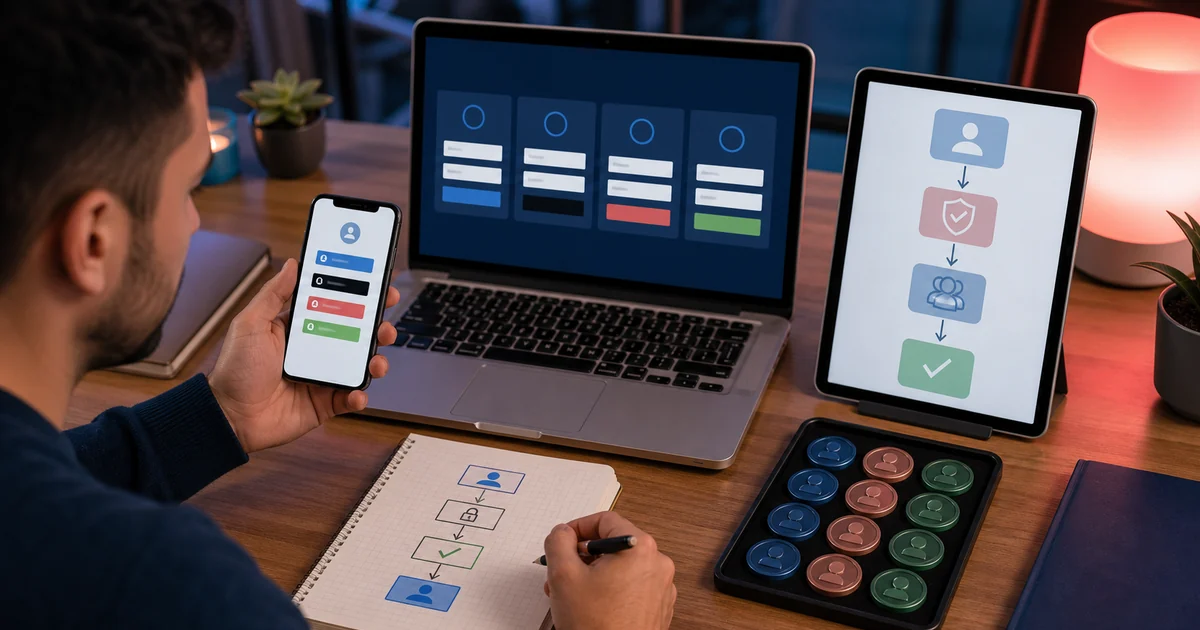
एक headless browser एक fully functional web browser engine है — HTML parse करने, JavaScript execute करने, और Document Object Model render करने में सक्षम — जो किसी visual window display किए बिना run करता है। Operators इसे एक API या command-line interface के माध्यम से programmatically control करते हैं, “इस URL पर navigate करें,” “इस button पर click करें,” या “इस element का text content read करें” जैसे instructions issue करते हैं। Browser इन operations को memory में, बिना किसी screen output के perform करता है।
Concept modern automation frameworks से पहले का है। Early headless browsers जैसे PhantomJS (2011 में release, WebKit engine पर आधारित) browser vendors के अपने products में headless modes build करने से पहले testing pipelines में widely उपयोग किए गए थे। Google Chromium ने version 59 (2017) में एक native --headless flag introduce किया, और Mozilla Firefox ने अपने own headless mode के साथ follow किया। आज, Playwright (Microsoft), Puppeteer (Google), और Selenium WebDriver (W3C standard) सहित automation frameworks headless Chromium, Firefox, और WebKit instances को drive करने के लिए dominant tools हैं।
Headless Browsers कैसे काम करते हैं
जब एक headless browser एक page load करता है, तो वह same rendering pipeline execute करता है जो एक visible browser करता है: HTML parsing, CSS layout, JavaScript evaluation, और network resource fetching। Server के perspective से, एक headless Chromium instance से HTTP request structurally एक desktop Chrome window से identical है — दोनों Chrome को identify करने वाला एक User-Agent header भेजते हैं, दोनों same way में TLS negotiate करते हैं, और दोनों JavaScript execute करते हैं।
Detectable differences एक अधिक subtle level पर emerge होते हैं। Anti-bot detection systems उन inconsistencies के लिए JavaScript environment की probe करते हैं जो incomplete emulation से उत्पन्न होती हैं। Classic signals में शामिल हैं: navigator.webdriver को true पर set होने की उपस्थिति (Chromium W3C WebDriver specification द्वारा required automation mode में यह flag set करता है); missing या anomalous WebGL renderer strings; कुछ browser plugins की absence जो real desktop installs आमतौर पर include करते हैं; window.chrome object कैसे populated है में differences; और computationally intensive tasks execute करते समय timing characteristics में deviations।
Playwright और Puppeteer जैसे frameworks ने “stealth” modes और patches add किए हैं जो इन signals को suppress या spoof करने का प्रयास करते हैं। Anti-bot vendors अपनी detection logic को continuously updating करके respond करते हैं, एक ongoing detection arms race बनाते हुए जो Cloudflare, DataDome, और PerimeterX (अब HUMAN Security) जैसी companies पर security researchers द्वारा documented है।
आप इसे कहाँ देखते हैं
Headless browsers software development का एक normal, legitimate part हैं। Continuous integration pipelines headless browser tests run करते हैं ताकि verify किया जा सके कि web applications सही ढंग से render करते हैं और user flows errors के बिना complete होते हैं। Search engine crawlers — Googlebot सहित अपने JavaScript-rendering mode में — JavaScript execution की आवश्यकता वाले content को index करने के लिए headless Chromium का उपयोग करते हैं। Accessibility audit tools, screenshot services, और PDF-generation utilities भी headless rendering पर rely करते हैं।
Online fraud के context में, contest platforms पर anti-bot systems, e-commerce checkouts, और social media account-creation flows automated traffic के primary signal के रूप में headless browser fingerprints के लिए watch करते हैं। एक desktop या mobile browser का उपयोग करने वाला एक genuine contest voter एक behavioral और environmental profile produce करता है जो एक headless automation script से measurably different है, यहां तक कि जब script human interaction timing को mimic करने का प्रयास करती है।
व्यावहारिक उदाहरण
एक software development team प्रत्येक deployment से पहले एक contest platform पर end-to-end regression tests run करने के लिए Playwright running headless Chromium का उपयोग करती है। Test suite vote flow के माध्यम से click करता है, verify करता है कि confirmation message appears होता है, और checks करता है कि duplicate-vote rejection correctly works करती है। यह canonical legitimate use case है।
Bot detection का अध्ययन करने वाला एक security researcher एक paper publish करता है जो उसी network पर headless Chromium sessions और regular desktop browser sessions के बीच reCAPTCHA v3 scores कैसे differ करते हैं इसका विश्लेषण करता है। Study पाती है कि unmodified headless sessions consistently 0.3 से नीचे score करते हैं, जबकि एक standard Chrome desktop instance से identical interactions 0.7 से ऊपर score करते हैं। navigator.webdriver flag और window.chrome object में differences को difference attributed किया जाता है।
एक contest platform का fraud analyst 10 minutes के अंदर submitted 400 votes दिखाते हुए एक anomaly report review करता है, प्रत्येक unique IP addresses के साथ लेकिन identical canvas fingerprints और navigator.webdriver = true signals। Analyst entire batch को disqualification के लिए flag करता है और उन sessions को reject करने के लिए platform के WAF rules adjust करता है जहां webdriver exposed है।
संबंधित अवधारणाएँ
Browser fingerprinting — browser fingerprint entry में विस्तार से वर्णित — primary technical mechanism है जो headless browsers को genuine desktop या mobile clients से distinguish करने के लिए उपयोग किया जाता है। Behavioral biometrics interaction-pattern layer cover करता है जो environment signals से independent एक second detection channel provide करता है। WebRTC leaks relevant हैं क्योंकि headless browsers आमतौर पर genuine WebRTC ICE candidate negotiation perform नहीं कर सकते, जिससे एक WebRTC probe headless traffic के विरुद्ध एक effective detection signal बनता है।
सीमाएँ / चेतावनी
Headless browsers का detection perfectly reliable नहीं है। Stealth plugins के साथ Playwright और Puppeteer के advanced configurations सबसे obvious signals में से कई को suppress कर सकते हैं। Conversely, कुछ legitimate browser environments — उदाहरण के लिए mobile apps में certain embedded browsers — fingerprints produce कर सकते हैं जो superficially headless browsers जैसे दिखते हैं, false-positive detection risk बनाते हुए। Anti-bot vendors इसे एक ongoing calibration challenge के रूप में treat करते हैं।