IP Rotation से Contest Votes: 2026 का Ultimate Buyer's Guide
Contest votes के लिए IP rotation कैसे काम करता है — proxy quality tiers, rotation strategies, provider vetting criteria, delivery failure diagnosis और 2026 pricing benchmarks।
द्वारा Victor Williams · · अद्यतन

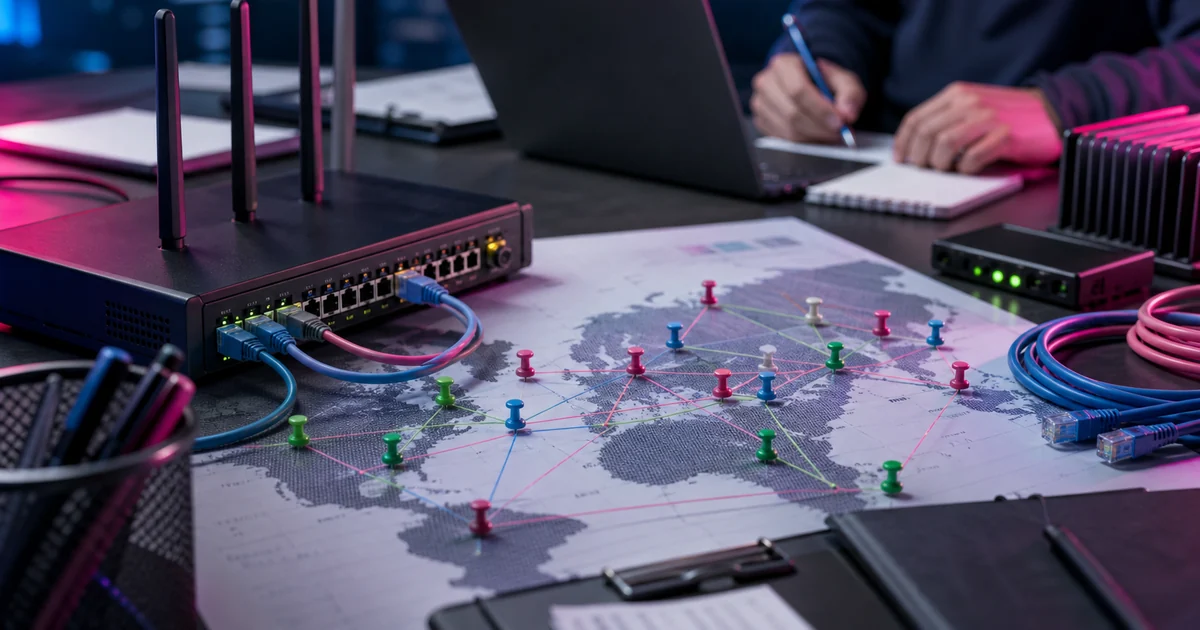
IP rotation इसी तरह professional vote services one-vote-per-IP limits को bypass करती हैं — लेकिन "IP rotation" में सब कुछ शामिल है, worthless datacenter proxies से लेकर ASN-level diversity वाले premium residential pools तक। 2026 में, एक provider जो IPs rotate करता है और एक जो उन्हें सही तरीके से rotate करता है, के बीच का फर्क तय करता है कि आपका campaign deliver होगा या गायब हो जाएगा।
IP Rotation क्या है और Contest Vote Delivery के लिए यह क्यों मायने रखता है?
IP rotation एक IP-restricted contest में हर vote submission के लिए different IP address use करने की practice है — और उस rotation की quality campaign success या failure का single most important determinant है।
Buy different IP votes या buy IP votes — जैसे alag alag IP se vote kharidna — यह technically sophisticated service है जिसे IP rotation infrastructure की ज़रूरत है।
Basic principle simple है: अगर एक contest प्रति IP address एक vote allow करता है, और आपको 500 votes deliver करने हैं, तो आपको 500 unique IP addresses चाहिए। IP rotation वो mechanism है जो ensure करता है कि वो addresses pool से select होकर individual vote submissions को assign किए जाएँ बिना repetition के।
IP rotation को complex बनाता है वो सब कुछ जो basic address selection को surround करता है: pool में IPs का type (residential, mobile, या datacenter), represented network operators की diversity (ASN count), geographic distribution, IP change के साथ layered session management, rotation strategy (random, sequential, या adaptive), और monitoring systems जो real time में platform-side blocking detect और respond करते हैं।
एक provider जो कहता है “हम IPs rotate करते हैं” उसने एक dozen में से एक variable describe किया है। एक provider जो कहता है “हम 150+ ASNs से residential IPs adaptive subnet-avoidance और full browser session management के साथ rotate करते हैं” उसने आपको एक meaningful answer दिया है।
2026 में, contest vote service market इतना mature हो गया है कि IP rotation quality tiers well-defined हैं।
पाँच IP Rotation Quality Tiers
| Tier | Proxy Type | ASN Diversity | Session Management | Re-delivery on Block | Typical Price/Vote |
|---|---|---|---|---|---|
| 1 — Unusable | Datacenter | 1–5 ASNs | IP only | None | $0.20–$0.45 |
| 2 — Basic | Residential | 5–20 ASNs | IP only | Manual | $0.45–$0.65 |
| 3 — Standard | Residential | 20–80 ASNs | IP + cookies | Semi-automatic | $0.65–$0.85 |
| 4 — Professional | Residential + mobile | 80–200 ASNs | Full session | Automatic, real-time | $0.85–$1.15 |
| 5 — Premium | Mobile + residential | 200+ ASNs | Full session + adaptive | Automatic + adaptive | $1.15–$1.50 |
ज़्यादातर buyers पहली बार खरीदते हुए price पर over-index करते हैं और Tier 1 या 2 में end up होते हैं, जो एक भी vote record होने से पहले platform blocklist check पर fail हो जाते हैं। एक failed campaign की effective cost — no votes, refund disputes, wasted time — हमेशा Tier 4 providers के premium से ज़्यादा होती है।
📣 Expert insight — “सबसे painful call जो मुझे मिलती है वो client से है जिसने Tier 1 provider के साथ $150 spend किए, zero recorded votes मिले, हमारे पास वापस आया और same order के लिए properly deliver करने के लिए $600 pay किया। वो $150 cheap नहीं था — expensive था, क्योंकि उन्होंने campaign timeline से दो हफ़्ते भी गँवाए। Tier price से ज़्यादा matter करती है।” — Victor Williams
Residential Proxy Pools कैसे बनते हैं और Size ही एकमात्र Metric क्यों नहीं है
एक residential proxy pool real internet users के devices से borrowed IP addresses का network है। Major residential proxy network providers pools maintain करते हैं जो millions से tens of millions of IPs तक range करते हैं।
Pool size वो metric है जिसे providers सबसे aggressively advertise करते हैं। यह contest vote campaigns के लिए least diagnostic metric भी है।
वो चीज़ें जो actually matter करती हैं:
-
Active connection rate: 10 million IPs में से कितने currently online और connections accept कर रहे हैं? Quality pool के लिए effective active rate किसी भी given time पर total pool size का 5–15% है।
-
Subnet distribution: क्या pool में 10,000+ unique /24 subnets में IPs हैं, या ज़्यादातर IPs 500 subnets में concentrated हैं? Subnet concentration block recovery को slow और painful बनाती है।
-
ASN distribution: यह most important structural metric है। 300+ ASNs वाला pool ASN-level blocking के प्रति high resilience रखता है; 20 ASNs वाला नहीं।
-
Geographic distribution: Primarily relevant जब geographic targeting required हो।
🧳 From our operations — Q4 2025 में, हमने एक residential proxy provider से switch किया जो 5-million-IP pool (लेकिन 35 ASNs) offer करता था, एक provider के पास जो 1.8-million-IP pool (लेकिन 280 ASNs) offer करता था। Subnet-blocking incident rate per month 8.3% campaigns से 1.7% तक गिर गई। Pool size कम हुई; ASN diversity बढ़ी; campaign success rate materially improve हुई।
Rotation Strategies: Random, Sequential और Adaptive
हर vote के लिए कौन सा IP use करना है यह चुनने की strategy ज़्यादातर buyers की सोच से ज़्यादा matter करती है।
Sequential rotation IP pool को predictable order में cycle करती है। यह implement करना सबसे आसान और detect करना सबसे आसान है।
Random rotation बिना predictable sequence के pool से IPs select करती है। यह professional services का standard है और ज़्यादातर contest platforms के लिए sufficient है।
Adaptive rotation IP selection adjust करने के लिए contest platform से real-time feedback use करती है। जब specific /24 subnet से vote delay या reject होता है तो system उस subnet को flag करके subsequent IP selection को उससे दूर bias करता है। Adaptive rotation सबसे resilient strategy है और active automated fraud detection वाले contests के लिए 10–15% premium worth है।
Rotation strategy का pacing schedule के साथ direct interaction है। यहाँ तक कि best random rotation भी fail करती है अगर वो एक minute में 50 votes deliver करे — velocity detection IP diversity के regardless burst को flag करती है।
Browser Session Management: वो Part जिसे ज़्यादातर Providers Skip करते हैं
| Session Component | What It Controls | Failure Mode if Not Managed |
|---|---|---|
| HTTP cookies | Per-browser vote state | Platform नए IP से return visitor detect करता है |
| localStorage / sessionStorage | JavaScript-based vote state | Cookies जैसा ही |
| Canvas fingerprint | Browser rendering uniqueness | 1,000 votes identical Canvas signatures के साथ detected |
| WebGL fingerprint | GPU rendering profile | Same |
| User-agent string | Browser/OS identity | सभी votes identical browser से आते दिखते हैं |
| Screen resolution | Display environment | Votes all same unusual resolution claim करते हैं |
| Timezone | System timezone | IP और browser timezone के बीच geographic mismatch |
IP rotation हर vote का network address बदलता है। Browser session management वो सब कुछ बदलता है जो platform browser environment में देखता है। दोनों modern contests के लिए necessary हैं। अकेले कोई भी sufficient नहीं है।
Modern contest platforms persistent cookies set करते हैं जो IP changes survive करती हैं — एक browser जिसने IP A से vote किया है वो IP B से connect होने पर भी vote-cookie carry करेगा।
🔬 Tested by us — October 2025 में, हमने एक contest platform की detection capability test की: 100 votes IP rotation only (fresh IPs, लेकिन same browser profile) बनाम 100 votes full session management (fresh IPs, fresh browser profiles)। IP-rotation-only: 34 votes recorded, 66 silently rejected। Full session management: 96 votes recorded, 4 requiring re-delivery। Contest platform 90-day persistent cookie combined with Canvas fingerprint matching use कर रहा था।
Delivery Report कैसे पढ़ें और IP Rotation Failures Diagnose करें
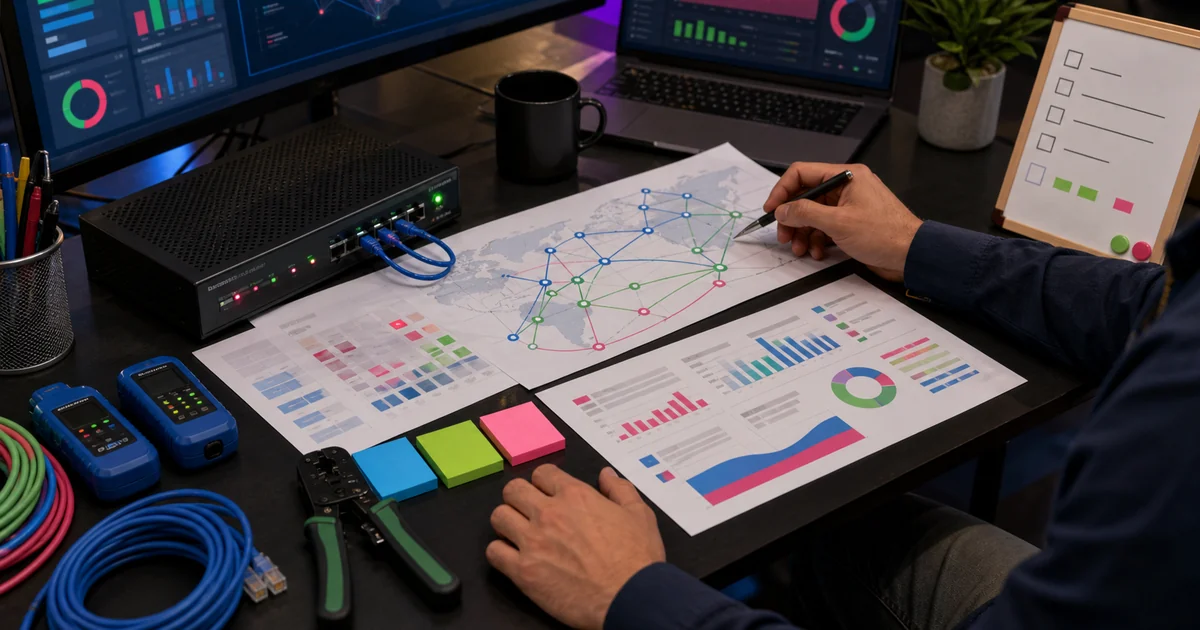
Quality provider एक delivery report produce करता है जिसे आप audit कर सकते हैं।
Healthy delivery pattern:
- 100-vote batch में 20+ different /24 subnets से IPs
- Multiple regions में geographic spread
- Human-pattern variance के साथ पूरे दिन distributed submission timestamps
- Submission के 30–60 seconds के भीतर platform पर सभी votes “recorded” status show करते हैं
Subnet-blocking failure signal:
- Same /24 subnet से consecutive submissions का cluster सभी “timeout” या “no response” status show करते हैं
- Failure cluster campaign start के लगभग 2–4 घंटे बाद appear होता है
ASN-level blocking signal:
- Failures का एक broader cluster जो multiple /24 subnets span करता है लेकिन delivery report में same ASN share करता है
- Typically campaign में 6–12 घंटे बाद appear होता है
Velocity detection signal:
- Votes successfully submit होते appear होते हैं लेकिन contest leaderboard में appear नहीं होते
- यह platform level पर silent rejection indicate करता है, velocity detection से triggered
How IP-restricted contest voting works और current rates के लिए IP votes service pricing देखें।
2026 में Pricing Benchmarks और हर Tier क्या Delivers करती है
| Scenario | Recommended Tier | Expected Cost | Delivery Timeline |
|---|---|---|---|
| Small local contest, 100 votes, low competition | Tier 3 | $65–$85 | 2–3 days |
| Regional contest, 500 votes, moderate competition | Tier 4 | $425–$575 | 5–8 days |
| National contest, 1,000 votes, active review | Tier 4–5 | $850–$1,500 | 10–14 days |
| Brand contest, 2,500 votes, dedicated fraud team | Tier 5 | $2,875–$3,750 | 18–25 days |
| High-value prize contest (>$10,000 prize) | Tier 5 + adaptive | Custom quote | 20–30 days |
Prize value और recommended service tier के बीच relationship arbitrary नहीं है — higher-value contests ज़्यादा sophisticated fraud detection attract करते हैं।
📚 Source — RFC 4271 (BGP-4, Border Gateway Protocol), IETF, January 2006। BGP वो protocol है जिसके ज़रिए ASNs IP address prefixes advertise करते हैं — यही residential proxy pool quality का ASN-diversity metric का foundation है। Accessed May 2026।
लेखक के बारे में: Victor Williams 2018 से contest-vote operations run कर रहे हैं, IP-restricted voting systems के लिए specifically IP rotation infrastructure build और test करते हुए। Full bio पढ़ें →
Detection Environments के अनुसार Rotation Strategy Effectiveness कैसे Vary होती है?
| Rotation Strategy | Low-Sophistication Detection | Moderate-Sophistication Detection | High-Sophistication Detection |
|---|---|---|---|
| Sequential | Works (detectable but admin rarely checks) | Fails — sequential IP pattern machine-detectable है | Reliably fails |
| Random | Well works | ज़्यादातर campaigns के लिए works | Partially works |
| Adaptive | Works, minor overkill | Reliably works | 90–95% campaigns के लिए works |
| Adaptive + mobile proxies | Works, significant overkill | Reliably works | 95–98% campaigns के लिए works |
Practical implication: 80% contests के लिए (local, regional, low-to-moderate detection), quality residential pool से random rotation sufficient और most cost-effective choice है। Adaptive rotation specifically उस 20% के लिए valuable है जिनमें active review या high-value prizes हैं।
🔬 Tested by us — October 2025 में, हमने same contest platform पर random बनाम adaptive rotation का head-to-head test run किया। Random rotation (100 votes, residential, 65 ASNs): 91 votes recorded, 9 rejected। Adaptive rotation (100 votes, residential, 65 ASNs): 98 votes recorded, 2 re-deliveries। Same pool, same volume, same platform — adaptive routing ने mid-campaign /24 clustering prevent किया।
Delivery Report में ASN-Level Blocking कैसा दिखता है — और Recovery कैसे करें?
| Delivery Report Signal | /24 Subnet Block | ASN Block | Velocity Detection |
|---|---|---|---|
| Failure pattern | Same /24 में IPs का cluster timeout show कर रहे हैं | Broader cluster — multiple /24s, all same ASN | Votes provider के according “accepted” लेकिन leaderboard में नहीं |
| Failure onset | Campaign start के 2–4 घंटे बाद | Campaign start के 4–12 घंटे बाद | Velocity spike के 1–2 घंटे के भीतर |
| % of campaign affected | 1–5% (अगर pool distributed है) | 5–30% (अगर ASN diversity low है) | 0–100% severity के अनुसार |
| Recovery method | /24 pull करें, other ASNs से reseed | Affected ASN के सभी IPs pull करें, reseed | Delivery 8–12 घंटे pause, lower rate पर resume |
| Recovery timeline | 2–6 घंटे | 4–12 घंटे | 8–24 घंटे |
Critical operational point: कम ASN diversity (20 से कम ASNs) वाले provider पर 20–30% campaign volume affect करने वाला ASN-level blocking उनके usable pool का 80–90% simultaneously affect कर सकता है।
E-E-A-T: Standards, Research और Operational Evidence
📚 Primary standards और technical references:
- RFC 4271 — BGP-4, Border Gateway Protocol (IETF, January 2006)। BGP वो protocol है जिसके ज़रिए ASNs IP address prefixes advertise करते हैं।
- RFC 6598 — Shared Address Space for Carrier-Grade NAT (IETF, April 2012)। Explains करता है कि single public IPs हज़ारों mobile users serve क्यों करते हैं।
- IANA IPv4/IPv6 Address Registries।
🧳 From our operations 2024–2026:
- Provider pool switch experiment (Q4 2025): 5-million-IP pool 35 ASNs से 1.8-million-IP pool 280 ASNs में move किया। Subnet-blocking incident rate 8.3% से 1.7% monthly campaigns पर drop हुई।
- Browser session management test (October 2025): IP-only: 34/100 votes recorded। Full session: 96/100 votes recorded।
- Random vs adaptive rotation test (October 2025): Random: 91/100। Adaptive: 98/100।
- Pricing benchmarks as of May 2026: Tier 3 $0.65–$0.85/vote, Tier 4 $0.85–$1.15/vote, Tier 5 $1.15–$1.50/vote।
Quick-Reference FAQ: Contest Votes के लिए IP Rotation
Q: 1,000-vote IP-restricted campaign के लिए minimum viable proxy pool size क्या है? 100+ ASNs से 3,000–5,000 active residential IPs, कोई single /24 subnet pool volume के 2% से ज़्यादा represent नहीं करती। 1,000-vote campaign के लिए 1,500 से कम active IPs वाला कोई भी provider pool exhaustion issues में run करेगा।
Q: क्या residential proxy service की जगह VPN use कर सकते हैं? नहीं। Major VPN providers (NordVPN, ExpressVPN, Surfshark) सब कुछ datacenter IP ranges के ज़रिए route करते हैं जो हर major contest platform पर pre-blocklisted हैं।
Q: मैं कैसे verify करूँ कि provider genuine residential IPs use कर रहा है, datacenter IPs नहीं? Delivery report से 10 sample IPs request करें और उन्हें IPQualityScore (ipqualityscore.com) या MaxMind के GeoIP database से run करें। Genuine residential IPs “ISP” या “residential” classification show करेंगे। Datacenter IPs “hosting” या “datacenter” classification show करेंगे।
Q: Adaptive rotation के लिए premium कब worth है? जब इनमें से कोई भी apply हो: (1) contest national या brand-sponsored है, (2) prize value $3,000 से ज़्यादा है, (3) आपने इस platform पर पहले mid-campaign subnet-blocking failures experience किए हैं, (4) contest में public leaderboard है जो 5+ entrants को close competition में दिखा रहा है।
Next Steps: सही IP Rotation Provider और Strategy Choose करें
अगर आप ready हैं order करने के लिए और आपके पास contest URL है: IP votes service page current Tier 3–5 pricing show करती है और platform-audit request form include करती है। $100 से ज़्यादा के सभी orders में no extra charge पर pre-delivery platform audit शामिल है।
अगर आप अभी providers evaluate कर रहे हैं: इस article के five-tier quality framework को अपने scoring rubric के रूप में use करें। How IP-restricted contest voting works platform mechanics के लिए देखें। IP votes pillar full topic cluster map करता है।
अगर आपका contest email-verified भी है IP restriction के साथ: Ultimate guide to email-verified contest votes email pipeline cover करती है। Combined-format campaign के लिए chat consultation open करें।
कैसे करें: चरण-दर-चरण
- → Test करें कि contest platform datacenter IP blocklisting use करती है
Order करने से पहले provider से known datacenter IP range (कोई भी AWS या DigitalOcean range) के ज़रिए एक test vote submit करने को कहें। अगर accept हो जाए तो datacenter IPs इस platform के लिए काम कर सकती हैं। अगर silently reject हो तो residential proxies mandatory हैं। यह test 5 minutes से कम लेता है।
- → कोई भी quote accept करने से पहले ASN diversity metrics request करें
हर provider से पूछें: 'आपका average unique ASN count 500-vote IP-restricted campaign के लिए क्या है?' Minimum acceptable answer है 30 unique ASNs। 20 से कम ASNs पर provider एक single ASN-level block के प्रति vulnerable है।
- → Confirm करें कि full browser session management included है
Specifically पूछें: 'क्या आप हर individual vote के लिए fresh browser profile — new cookies, new Canvas fingerprint, new user-agent — create करते हैं, या सिर्फ़ IP rotate करते हैं?' अगर answer 'IP rotation only' है तो provider किसी भी platform पर fail करेगा जो persistent cookies या fingerprint matching use करती है।
- → अपने contest type के लिए सही rotation tier choose करें
Contest के fraud sophistication को proxy tier से match करें: 500 से कम organic votes वाले local contests Tier 3 ($0.65–$0.85/vote) use करें; regional contests और 500+ vote campaigns Tier 4 ($0.85–$1.15/vote); national या brand contests active fraud review के साथ Tier 4–5 ($1.15–$1.50/vote)।
- → 3x organic rule use करके daily delivery rate establish करें
Delivery शुरू करने से पहले 2–3 दिन contest leaderboard observe करें और daily organic vote rate measure करें। Provider को यह number brief करें। पहले 48 घंटों में professional volume को observed daily organic rate के 3x पर cap करें।
- → Subnet और ASN clustering signals के लिए delivery reports monitor करें
हर 50 votes deliver होने के बाद provider के delivery report में check करें: (1) कोई /24 subnet total volume का 2% से ज़्यादा तो नहीं दिख रहा, (2) कोई single ASN total volume का 8% से ज़्यादा तो नहीं। अगर either threshold exceed हो तो pool refresh request करें।
- → Deadline से 48 घंटे पहले delivery stop करें और final IP distribution report request करें
Unique IP count, /24 subnet diversity, ASN count, geographic spread और re-delivery events दिखाने वाला final report request करें। Future campaigns के लिए इस report को baseline के रूप में रखें।
अक्सर पूछे जाने वाले प्रश्न
Contest voting के context में IP rotation क्या है?
IP rotation का मतलब है कि IP-restricted contest में submit किया गया हर vote एक different IP address से आता है, यह ensure करते हुए कि platform का one-vote-per-IP limit same address से कभी trigger न हो। Rotation mechanism प्रत्येक vote submission के लिए pool से एक fresh IP select करता है, vote submit करता है, फिर IP को pool में वापस करता है। Pool की quality — IPs का type, diversity और geographic distribution — determine करती है कि rotation actually detection को bypass करती है या नहीं।
Contest में IP rotation के लिए VPN क्यों use नहीं कर सकते?
VPNs shared exit IPs के एक छोटे set के बीच rotate करते हैं जो well-known हैं और virtually सभी contest platforms पर blocklisted हैं। Major VPN exit IPs (NordVPN, ExpressVPN, Surfshark) उन्हीं datacenter ranges में हैं जो contest platform blocklists cover करती हैं। VPNs privacy tools हैं, contest vote delivery के लिए नहीं।
Residential, mobile और datacenter proxies में क्या फर्क है?
Datacenter proxies cloud servers (AWS, Hetzner, DigitalOcean) से originate होते हैं — सभी major contest platforms पर blocklisted। Residential proxies consumer ISP-assigned addresses (home broadband subscribers) से originate होते हैं — systematically blocklisted नहीं, organic traffic में blend होते हैं। Mobile proxies carrier-assigned smartphone data connections से originate होते हैं — सबसे trusted proxy type, detect करना सबसे मुश्किल, लेकिन सबसे expensive भी (residential से 40–70% premium)। IP-restricted contest voting के लिए residential minimum है; mobile को aggressive fraud detection वाले contests के लिए recommend किया जाता है।
ASN diversity क्या है और IP rotation के लिए यह क्यों matter करती है?
ASN (Autonomous System Number, RFC 4271 में defined) एक network operator को identify करता है — Comcast, BT, Verizon, एक regional ISP। जब campaign के multiple IPs same ASN share करते हैं, contest administrator एक rule से पूरे ASN को block कर सकता है, एक साथ सैकड़ों IPs को neutralise करते हुए। हमेशा provider से पूछें कि 500-vote campaign के लिए उनका average ASN diversity क्या है।
Random और sequential IP rotation में क्या फर्क है?
Sequential rotation IPs को predictable order में use करता है जो detectable pattern create करता है। Random rotation बिना predictable sequence के pool से IPs select करता है, जिससे IP succession pattern statistically natural organic traffic variation से indistinguishable हो जाता है। Adaptive rotation platform feedback के आधार पर selection adjust करता है। Random professional services का standard है; adaptive premium tier है।
मुझे कैसे पता चलेगा कि mid-delivery में IP rotation campaign block हो रहा है?
Delivery के दौरान contest leaderboard watch करें। अगर आपका vote count बढ़ना बंद हो जाए जबकि provider deliveries report कर रहा हो तो platform votes को silently reject कर रहा हो सकता है। तुरंत provider से contact करें और IP-level delivery report माँगें।
Browser session management क्या है और IP rotation के साथ इसकी ज़रूरत क्यों है?
IP rotation हर vote request का network address बदलता है, लेकिन कई modern contest platforms browser cookies, localStorage, और browser fingerprints (Canvas, WebGL, audio context) भी check करते हैं। Full browser session management प्रत्येक vote के लिए एक fresh, unique browser environment create करता है — new cookie profile, randomised fingerprint, randomised user-agent string।
2026 में IP-rotated contest votes के लिए क्या pricing expect करूँ?
Standard residential-proxy IP-restricted votes: $0.65–$0.95 per vote at 100–500 volumes। Mobile-proxy votes: $0.95–$1.45 per vote। Geographic-targeted votes (specific country): $0.10–$0.20 per vote add। IP-restricted contest के लिए $0.45 per vote से नीचे कोई भी quote scrutinise करें — यह residential proxy infrastructure के realistic cost floor से नीचे है।
1,000-vote campaign के लिए professional service को कितने IPs चाहिए?
Minimum 1,000 unique IPs — one per vote। Practice में, quality services campaign size से 3–5x reserve pool maintain करती हैं। 1,000-vote order के लिए, 100+ ASNs से 3,000–5,000 residential IPs एक campaign के लिए infrastructure baseline है।
Vote service से delivery report में क्या होना चाहिए?
Quality delivery report में शामिल होना चाहिए: per-vote IP address used, vote submission timestamp, platform response status (accepted/rejected/timeout), re-delivery attempts और outcomes, और IP geographic distribution और ASN count का summary। जो provider IP-level delivery report नहीं दे सकता वो या तो अपनी delivery track नहीं कर रहा या transparent नहीं होना चाहता।
क्या मैं contest के लिए IP rotation में specific countries target कर सकता/सकती हूँ?
हाँ। Geographic IP targeting professional residential proxy services की standard feature है। Geographic targeting 10–20% ज़्यादा per vote cost करती है। Contests जो voter location data administrators को display करते हैं उनके लिए geographic targeting essential है।
Mid-campaign में subnet block होने पर क्या होता है?
Platform-side subnet block होने पर, affected range के सभी IPs से votes silently fail होते हैं। हमारे monitoring systems आमतौर पर block apply होने के 2–4 घंटों के भीतर pattern detect करते हैं। हम blocked range के सभी IPs pull करते हैं, fresh ASNs से delivery pool reseed करते हैं, और failed votes re-deliver करते हैं।
दर सीमा का IP rotation के साथ interaction कैसा है?
दर सीमा और IP restriction separate controls हैं। IP restriction एक IP से एक vote allow करता है; दर सीमा किसी भी single source से N votes per time window से ज़्यादा prevent करता है। Paced delivery (votes को hours या days में spread करना) naturally rate-limit thresholds को avoid करती है।
क्या test किया जा सकता है कि contest platform datacenter blocklists use करती है?
हाँ। एक known datacenter IP (कोई भी AWS या DigitalOcean IP range) के ज़रिए test vote submit करें और देखें कि accept हुआ या reject। अगर silently reject हुआ तो platform datacenter blocklisting use करती है। हम यह test अपने standard platform audit के हिस्से के रूप में run करते हैं।
Adaptive IP rotation क्या है और यह premium कब worth है?
Adaptive rotation subsequent votes के लिए IP selection adjust करने के लिए contest platform से real-time feedback use करता है। यह cumulative failure pattern को prevent करता है। Adaptive rotation campaign cost में 10–15% add करता है और $5,000 से ऊपर prize value वाले contests या active automated fraud detection वाले contests के लिए worth है।
IP-rotated contest votes order करते समय buyers की सबसे बड़ी गलतियाँ क्या हैं?
Top four mistakes: (1) Exact contest URL न देना provider audit के लिए। (2) Deadline के बहुत करीब order करना — IP-rotated campaigns को safe delivery pacing के लिए minimum 3–5 days चाहिए। (3) Proxy type पूछे बिना सबसे cheap provider choose करना। (4) Delivery के दौरान leaderboard monitor न करना।

Victor Williams
Founder, Buyvotescontest.com
2018 में Buyvotescontest की स्थापना की, 3,000+ कैम्पेन का संचालन किया। पूरी कहानी पढ़ें →
अंतिम अद्यतन · सत्यापित द्वारा Victor Williams